Restoring Gravel Driveways to Smooth, Stable Surfaces
Driveway Re-Rocking in Sparta for worn gravel lanes showing ruts and washouts
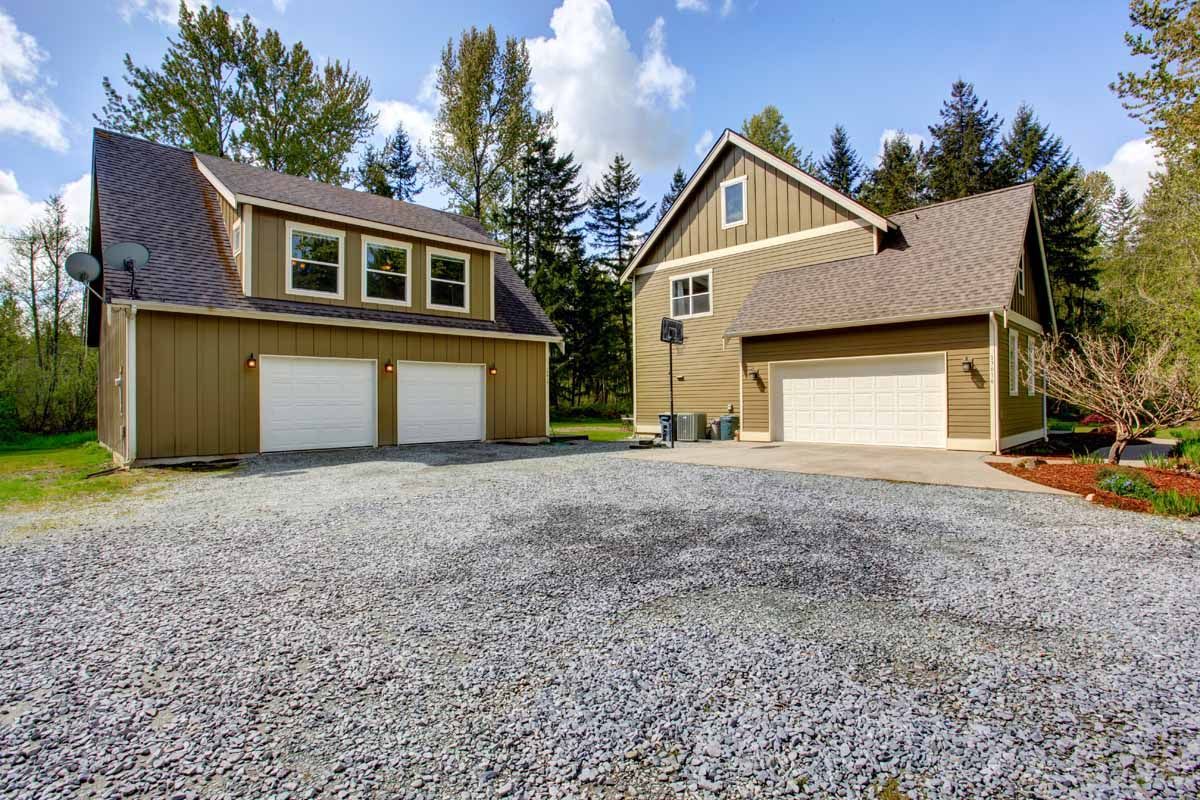
Watson Excavating LLC provides driveway re-rocking that rebuilds the surface of existing gravel driveways without tearing out the entire base. When your driveway develops ruts from tire traffic, potholes where water collects, or thin spots where the original rock has migrated or settled into the soil, re-rocking restores a smooth surface and reestablishes proper drainage. This service is common for rural properties with long lanes and for homes where gravel is the practical long-term surface material.
The process begins with grading the existing surface to remove high spots and fill low areas, followed by placement of fresh gravel that is compacted and crowned to shed water toward the edges. In areas around Sparta where driveways cross slopes or follow ditches, crown and grade are critical to prevent washouts during storms. The new rock layer improves traction, reduces dust, and extends the life of the driveway by protecting the base material beneath from erosion and rutting.
Reach out to Watson Excavating LLC for a driveway evaluation and estimate based on lane length and condition.
How Re-Rocking Extends Driveway Life
You will see equipment blade the existing surface to correct drainage problems, then spread and compact new gravel in a layer thick enough to handle vehicle weight without punching through to the base. The finished surface has a visible crown that moves water off the center and toward the shoulders, preventing the standing water and freeze-thaw damage that create potholes and washboard texture.
When Watson Excavating LLC completes the work, you will notice a firm surface that vehicles can cross without bouncing or slipping, reduced dust during dry weather, and water that drains quickly after rain instead of pooling in ruts. The driveway feels stable and looks maintained, improving access for deliveries, emergency vehicles, and daily use.
This service includes grading the existing surface and placing new gravel, but does not include removal of old material unless the base has failed completely. It also does not include installation of culverts, edging, or paving, and is most effective when the underlying base is still intact. For driveways with severe structural failure, full reconstruction may be necessary instead.
Questions Homeowners Ask About Re-Rocking
Gravel driveways require periodic maintenance to remain usable, and re-rocking is the most cost-effective way to restore them without starting over.
- What type of gravel works best for driveway surfaces in Sparta? Crushed limestone or chat compacts well and interlocks under traffic, providing a stable surface that resists rutting better than rounded river rock.
- How often does a gravel driveway need re-rocking? Most driveways benefit from re-rocking every five to seven years depending on traffic volume, weather exposure, and how well the original grade and drainage were established.
- Why does proper grading matter before adding new rock? Without correcting the grade, new gravel will wash into the same ruts and low spots that formed in the old surface, wasting material and failing to solve the drainage problem.
- When is re-rocking not enough to fix a driveway? If the base layer has washed away or the subgrade is soft and unstable, you will need excavation and new base material before re-rocking can restore a durable surface.
- What will the driveway look like immediately after re-rocking? The surface will appear loose and light in color, but it will compact and darken with traffic and weather over the following weeks, settling into a firm, stable lane.
Watson Excavating LLC handles driveway re-rocking that restores smooth access and proper drainage for rural properties. Contact the team to schedule an evaluation and receive an estimate based on your lane's length and current condition.